Cooking is a physical and chemical change we impart on food to make it tastier, more nutritious or convenient. Cooking changes the structure of proteins, carbohydrates and other ingredients of the food and makes them more flavorful, tastier and make the nutrition more available to our bodies.
As with most chemical reactions, the way the food cooks depends on its temperature and time. Biological molecules like protiens and carbohydrates are even more sensitive when it comes to temperatures.
Traditional cooking methods like stovetops can not control the temperature of the food directly, but rely on the user to control the power relying on good judgement and experience. This is error prone, inconsistent and makes it hard to learn cooking.
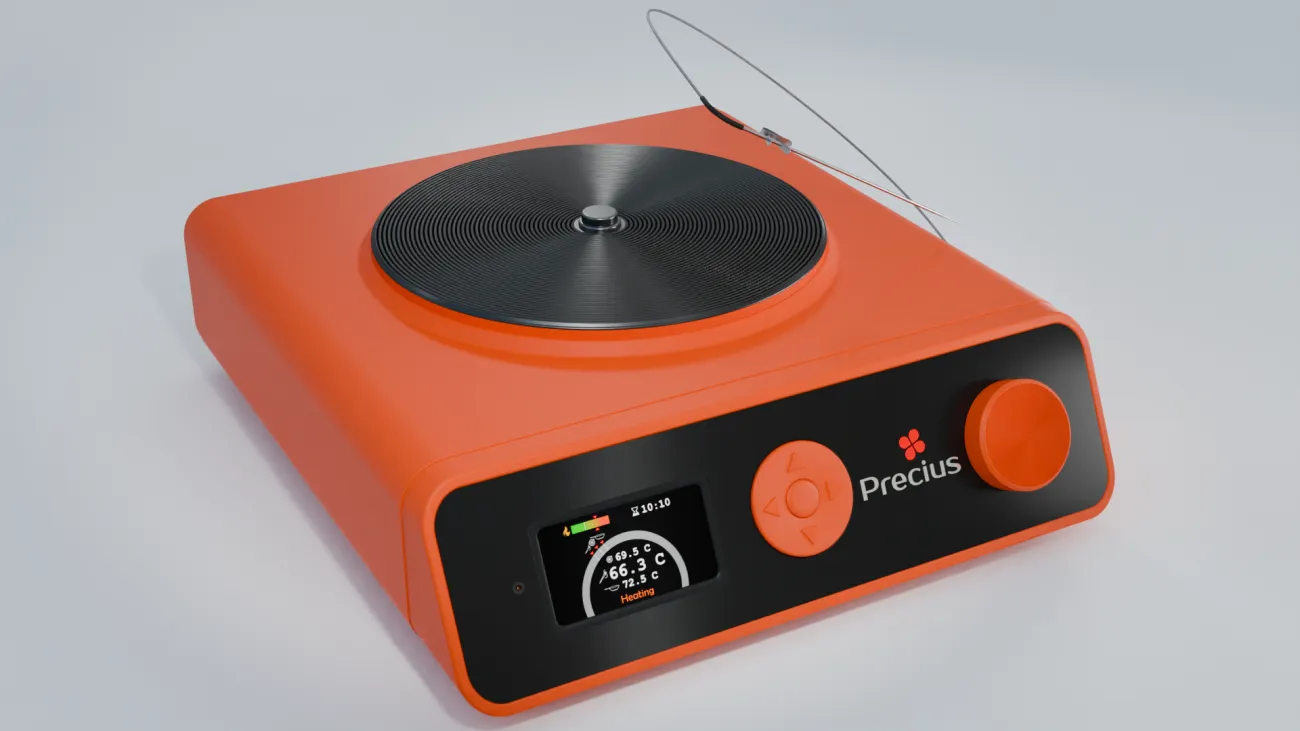
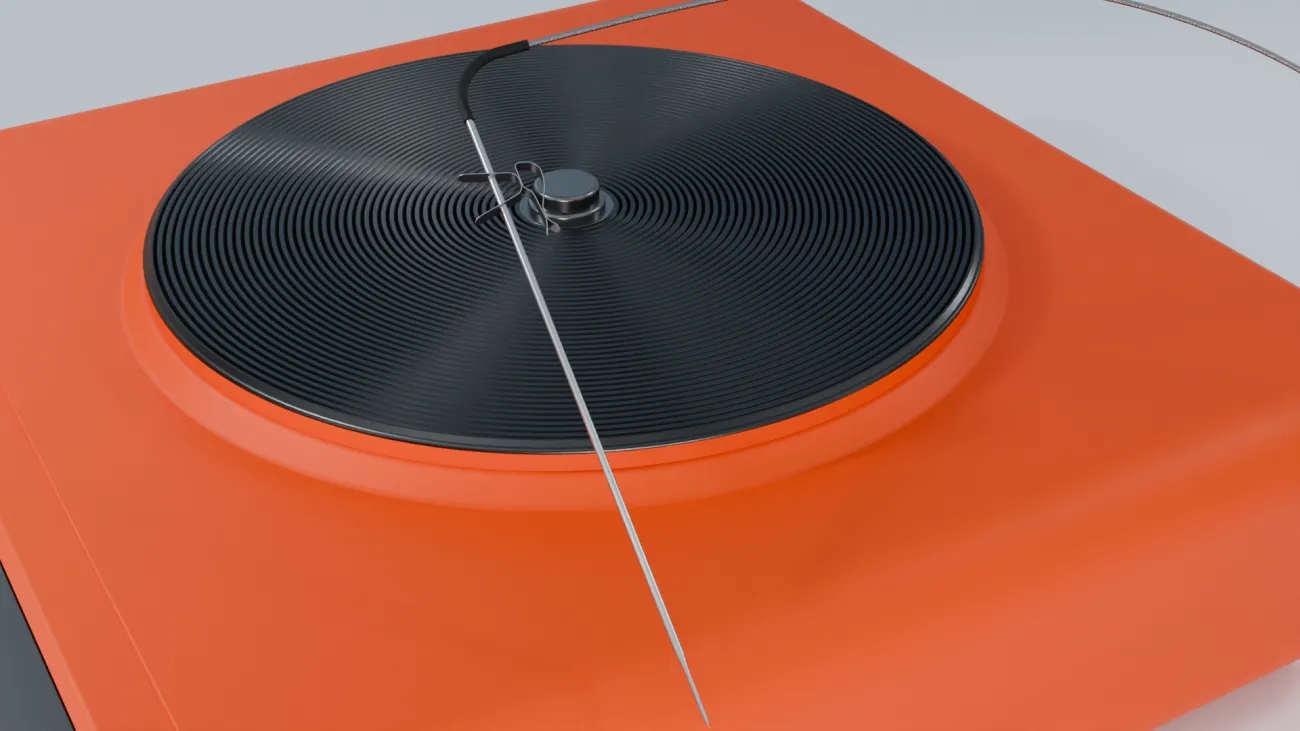
Precision cooking is a way to cook food by controlling the temperature and time instead of power of the heat source. Sous vide is possibly the well known way to do it, but the same principle can be used for a much wider variety of cooking methods like deep frying, pan frying, sauteeing, searing, air roasting, just to name a few.
With precision cooking, the recipes are easier to cook with, consistent across kitchens and climates.